Customer Concerns Do Not Stay In One Area
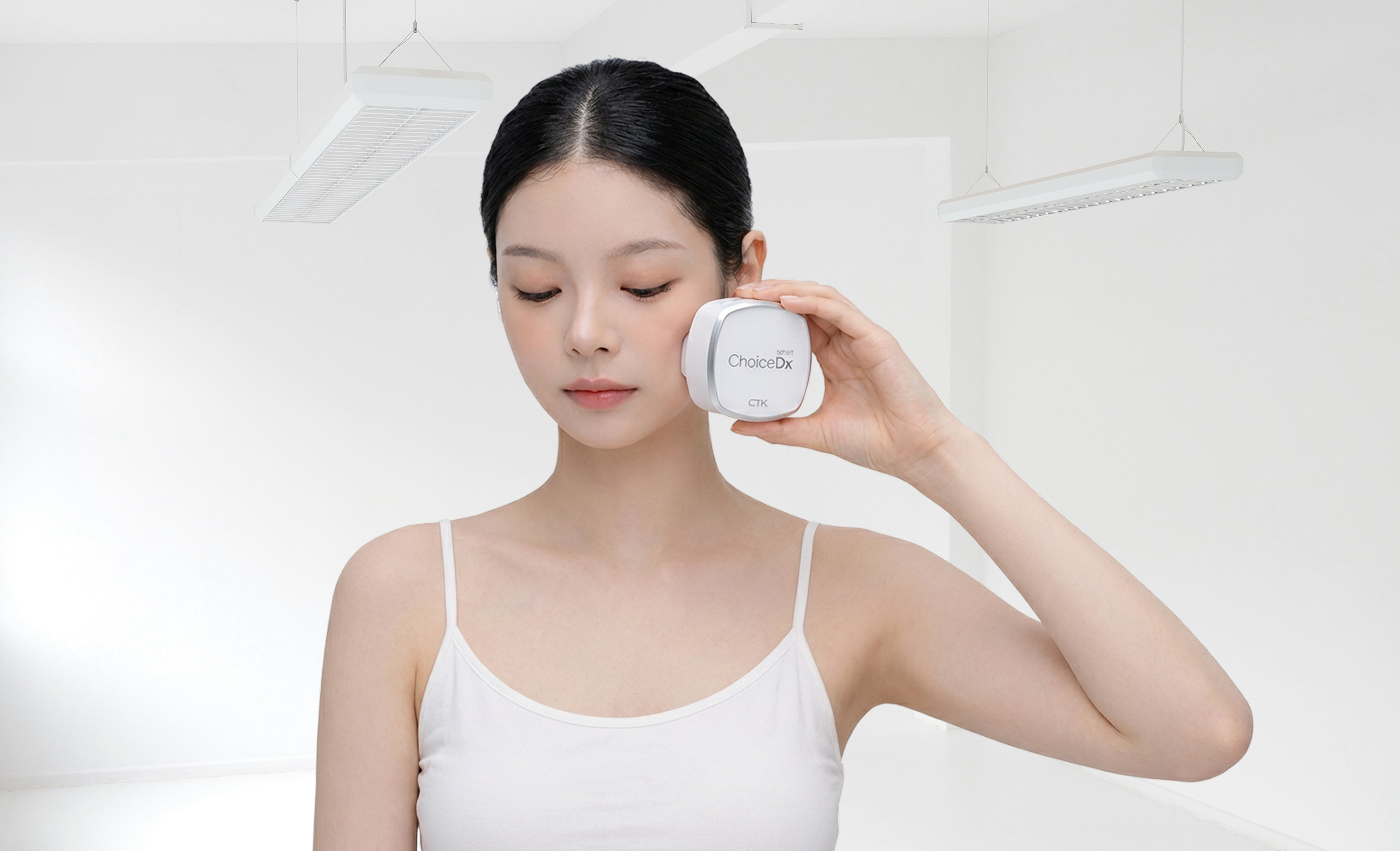
Customers do not experience skin, scalp, and hair as separate categories. A customer may have dry facial skin while also feeling scalp oiliness, or may experience hair damage together with skin sensitivity.
When consultation looks only at skin or only at scalp, the store may miss the broader context of the customer’s concern. Integrated diagnosis helps the consultant understand the customer’s beauty condition as one connected flow.
This is not about adding more measurements for the sake of complexity. It is about creating a better reference point for lifestyle, product use, and repeat consultation.
Signals That Skin Diagnosis Alone Can Miss
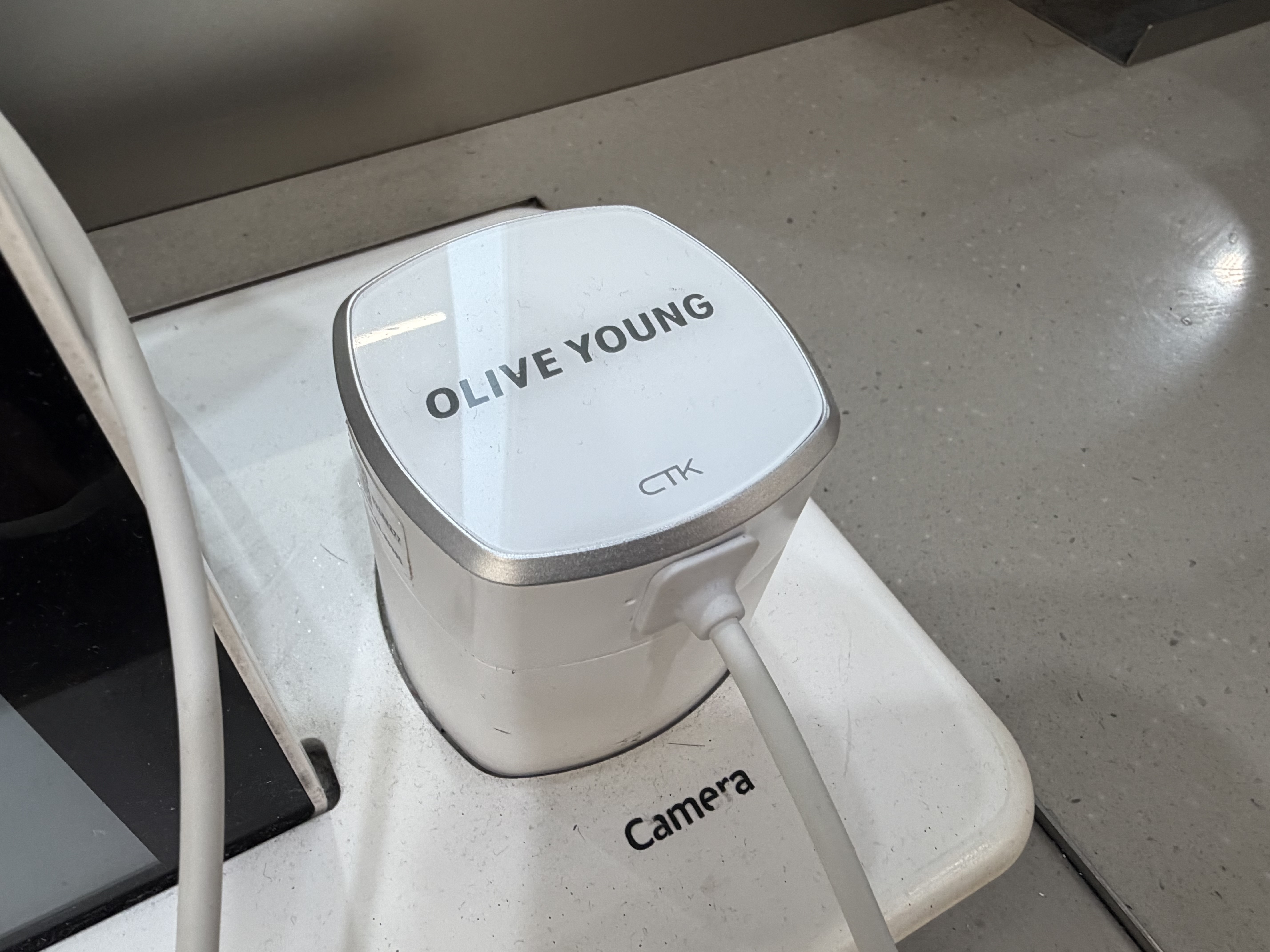
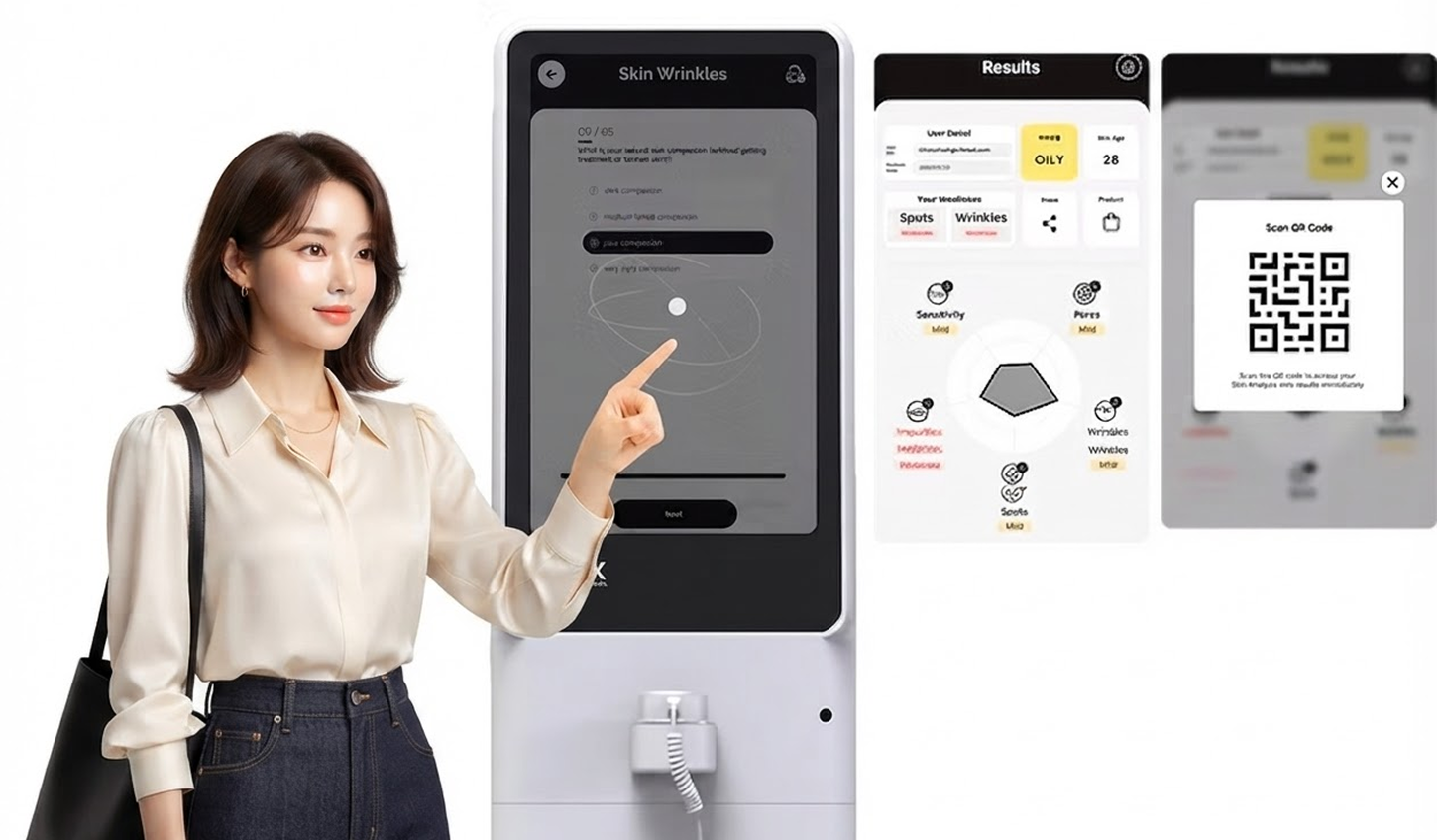
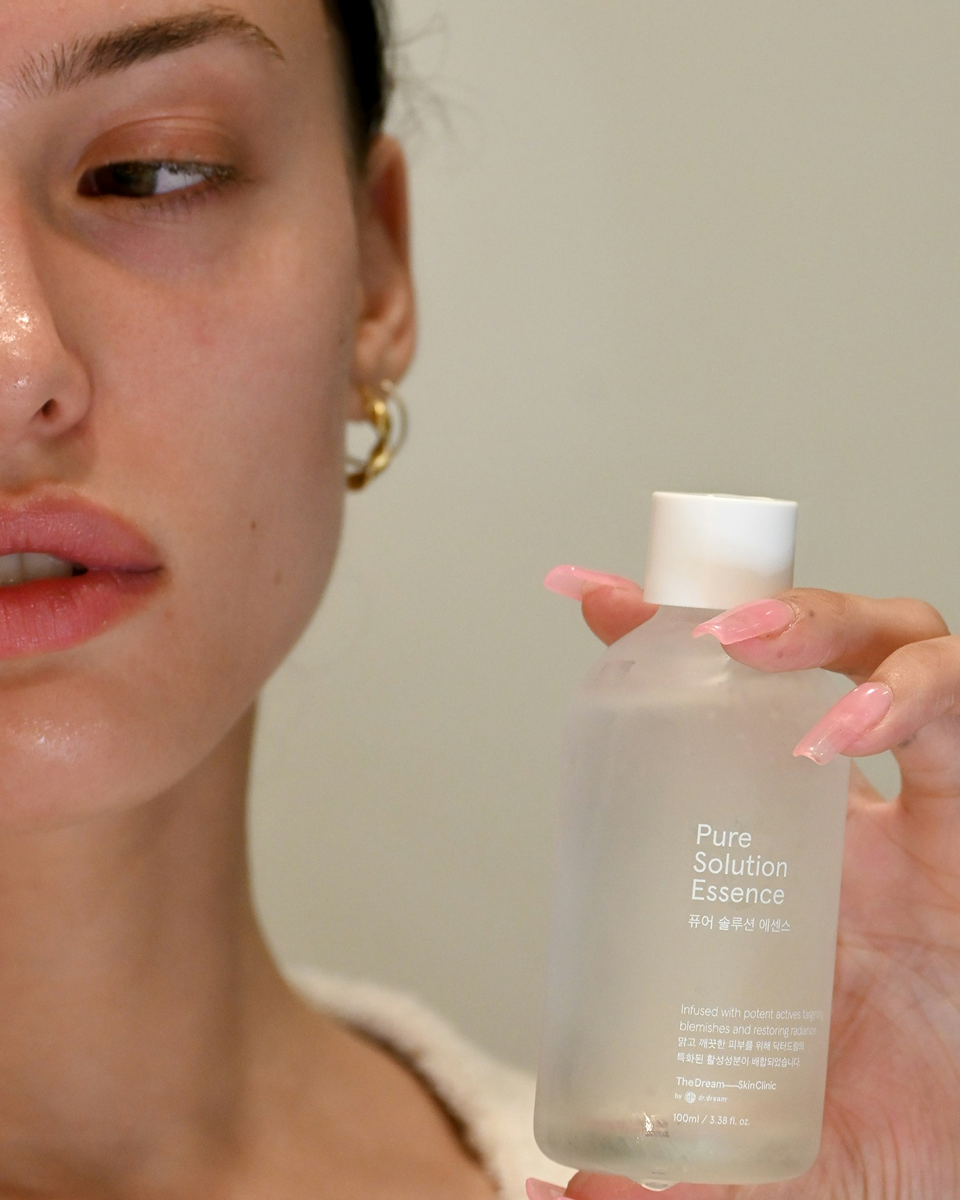
Moisture, oiliness, pores, tone, and elasticity are important skin indicators. But they may not explain the customer’s full condition.
For example, a customer with high sebum may also have scalp concerns. A customer who feels dryness may also experience scalp tightness or damaged hair ends.
When skin results are interpreted with scalp and hair status, the consultant can suggest a more specific care direction.
How Scalp And Hair Diagnosis Expand Consultation
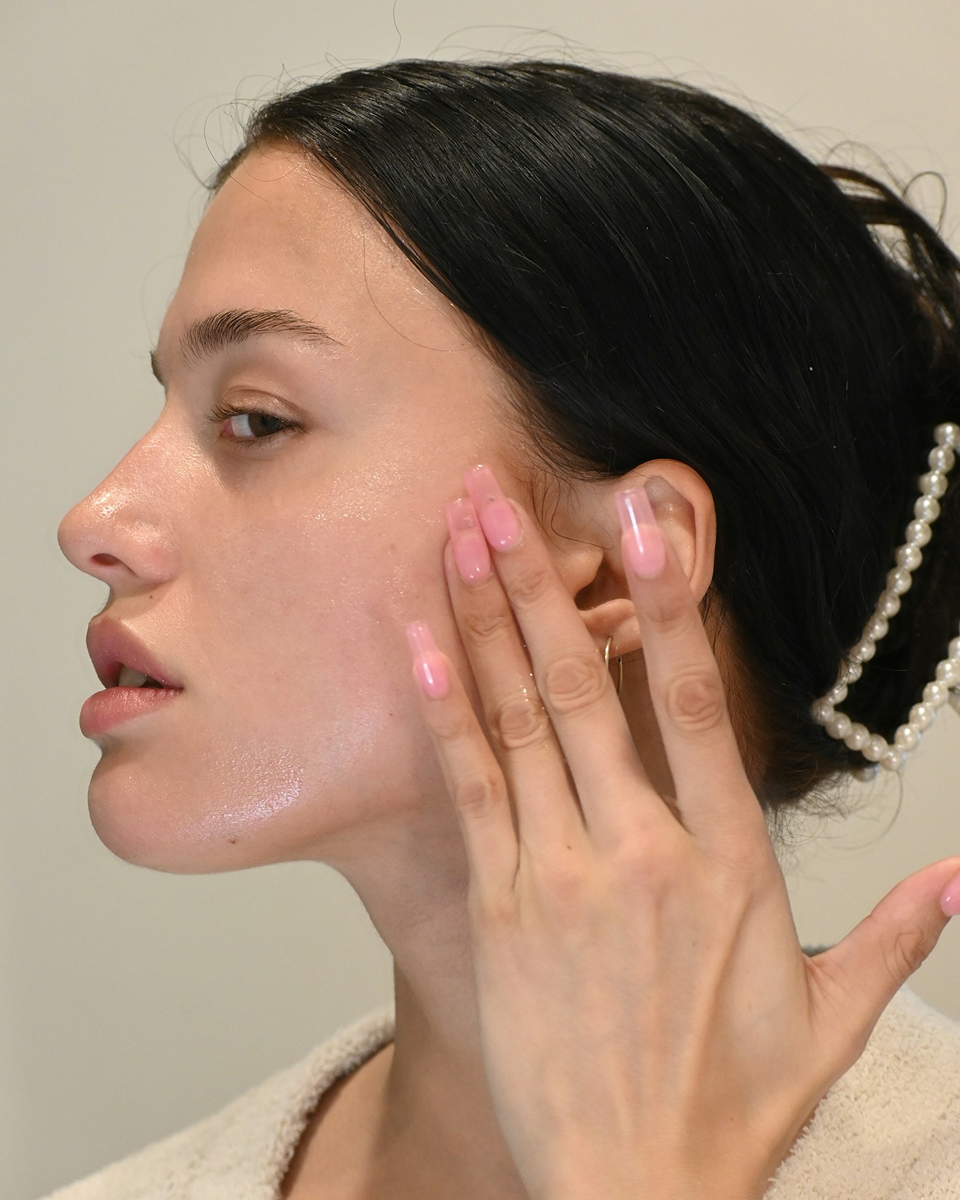
Scalp diagnosis can show information customers cannot easily inspect themselves, such as oiliness, flakes, sensitivity, and the visible condition around follicles. Hair analysis can support discussion about damage, shine, texture, and care needs.
When this information is connected to skin diagnosis, consultation can expand naturally from skincare to haircare, scalp care, and routine guidance.
Customers better understand why a product category is recommended, while stores can design consultation across related beauty categories.

Why Integrated Diagnosis Makes Product Recommendation More Accurate
A single indicator explains only part of the customer’s condition. Integrated diagnosis helps prioritize product categories by looking at skin, scalp, and hair data together.
For a customer with sensitive skin and sensitive scalp, soothing and balancing products may be more relevant than products with a strong sensory profile. For a customer with dry skin and oily scalp, different strategies may be needed for different areas.
ChoiceDx focuses on organizing these results into language that consultants can use and customers can understand.

The Retail Value Of Integrated Data
In B2B retail, integrated diagnosis data can become an operating standard for consistent consultation quality, not just an experiential feature.
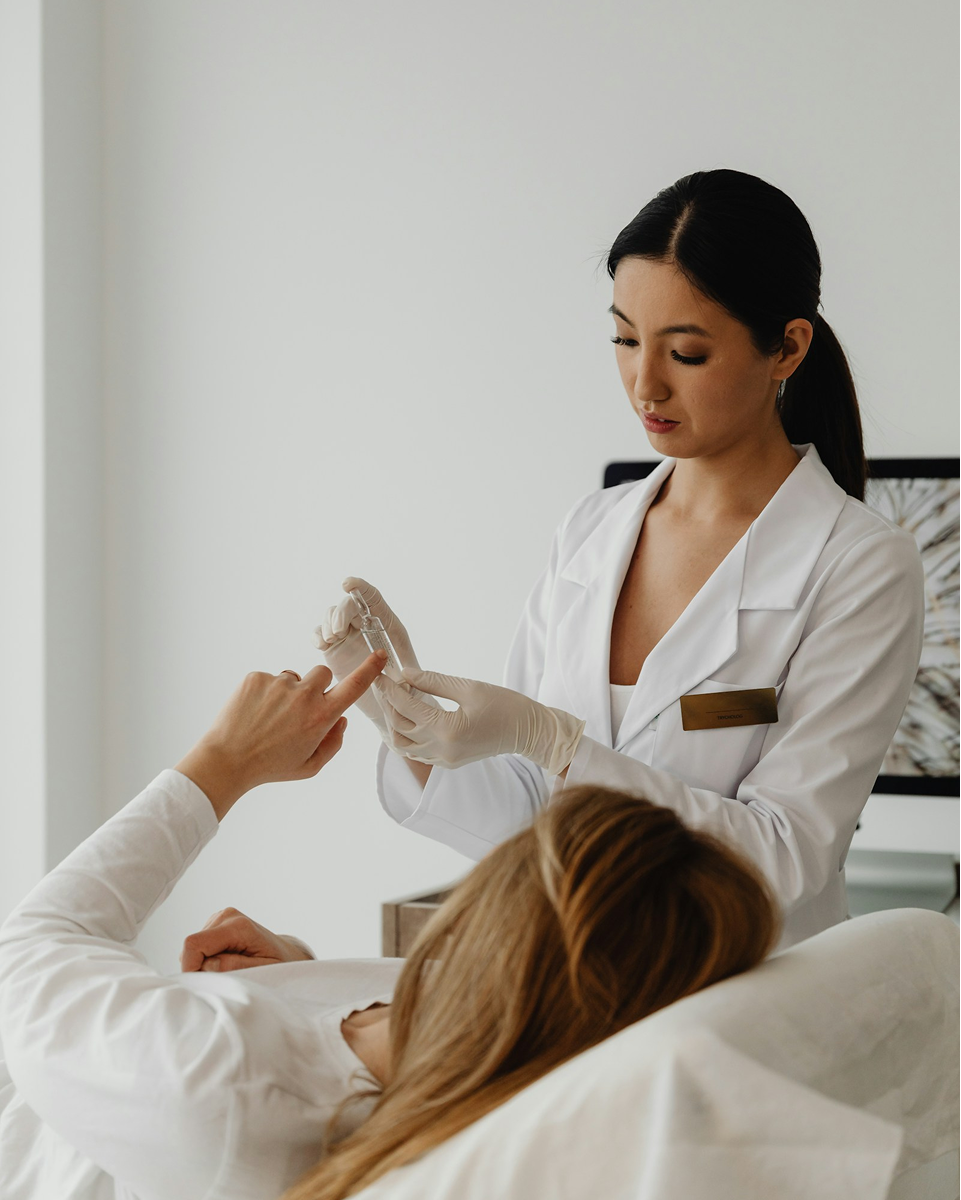
Stores can understand skin, scalp, and hair interests in one visit and connect skincare and haircare categories more naturally. Brands can explain product lines with stronger relevance to customer condition.
During revisit consultation, previous and current results can be compared. This can support CRM, membership programs, and personalized campaigns.

ChoiceDx Perspective
ChoiceDx treats integrated skin, scalp, and hair diagnosis as a data-based beauty retail consultation experience, not as medical judgment.
The point is not to show more data. The point is to organize data in a structure that customers can understand and consultants can use.
For cosmetics brands, B2B retailers, and beauty store operators, integrated diagnosis can support customer trust, category expansion, and repeat consultation.

FAQ
How is integrated diagnosis different from skin diagnosis?
It interprets skin, scalp, and hair conditions together, helping stores understand the customer’s broader beauty condition.
Does every customer need all three diagnosis areas?
Not always. Stores can choose the relevant area based on the customer’s concern and keep records for future comparison.
Is ChoiceDx integrated diagnosis a medical diagnosis?
No. ChoiceDx provides an AI-based analysis experience for beauty retail consultation and product recommendation support.