
Why Accurate Skin Diagnosis Matters
Accurate skin diagnosis matters because customers do not always arrive with a precise understanding of their own condition. A shopper may describe dryness, oiliness, sensitivity, dull tone, scalp discomfort, or hair damage in everyday language, while the consultant must turn those observations into practical guidance.
AI skin analysis and a professional skin analyzer are not intended to replace the consultant. They provide a more objective starting point for the conversation. Image-based analysis can organize visible indicators, compare areas, and present findings in a way that customers can understand during a retail consultation.
Skin, scalp, and hair conditions also change over time. Seasonality, lifestyle, cleansing habits, styling, UV exposure, stress, and product use can all influence the customer experience. A skin diagnostic system with revisit comparison helps brands move from one-time selling to an ongoing consultation journey.
The Problem With Inaccurate Diagnosis
When diagnosis is unclear, beauty retail becomes less persuasive. Customers may misunderstand their own skin type, consultants may lack evidence for their explanation, and product recommendations may feel too generic to be trusted.
The issue becomes more noticeable when consultation focuses only on facial skin. Scalp oiliness may affect the appearance of hair volume, and hair damage may influence styling and care needs. A complete consultation should make room for skin, scalp, and hair together.
Without comparable records, revisit management is difficult. When the customer returns, the store needs a clear way to explain what changed, what remained stable, and which product or routine may be worth adjusting.
What Accurate Diagnosis Actually Means
In beauty-tech, accurate diagnosis does not mean making medical claims. It means building a consistent, consultation-ready process with a stable measurement environment, image-based skin, scalp, and hair data, AI-assisted analysis, and a report that can be explained clearly.
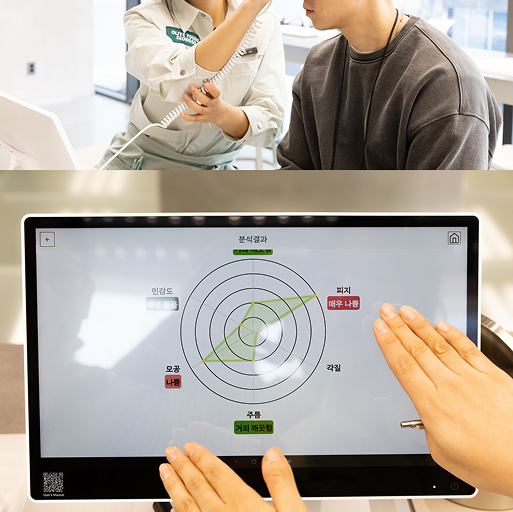
A skin analyzer device and skin analysis software each play a distinct role. The device captures the image-based data; the software organizes it into visual reports, analysis categories, consultation cues, and recommendation workflows.
The result should be useful in conversation. A report should help the consultant explain visible beauty conditions, discuss routine direction, support product recommendation, and compare future visits. It is a professional beauty consultation support system, not a substitute for medical diagnosis or treatment.
Skin, Scalp, and Hair Should Be Connected
A complete beauty consultation connects facial skin, scalp, and hair because customers experience beauty as one overall impression. Separate measurements are useful, but connected interpretation is what turns analysis into practical consultation value.
Skin analysis
AI skin analysis helps consultants discuss visible concerns such as tone, pores, texture, oiliness, dryness, and overall care priorities in a structured way.
Scalp analysis
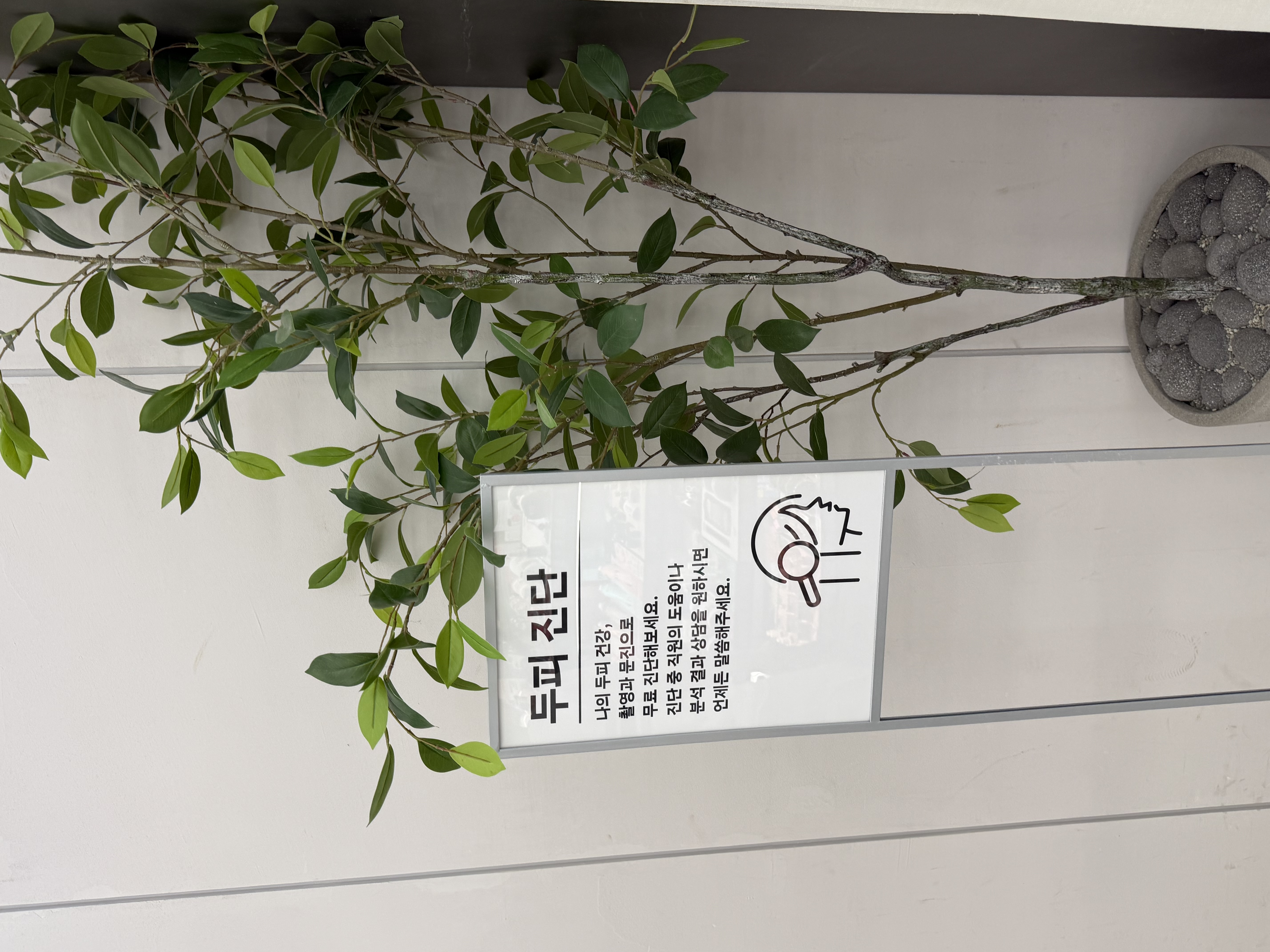
AI scalp analysis supports scalp care consultation by visualizing oiliness, dryness, flakes, sensitivity signals, and other beauty-care indicators.
Hair analysis
A hair analyzer can support conversations about hair condition, shine, damage impression, density appearance, and routine recommendations.
In-store Skin Scan Experience
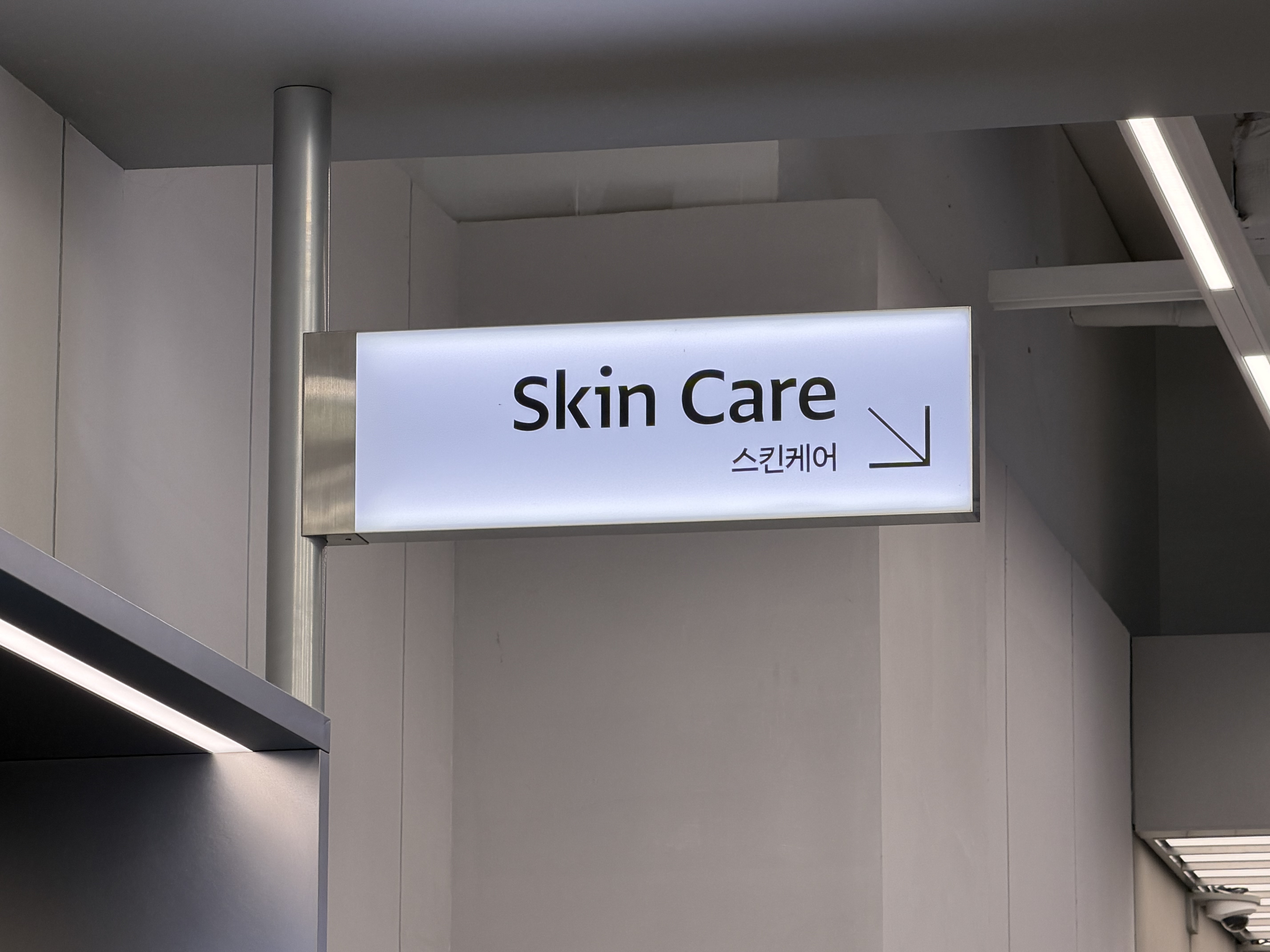
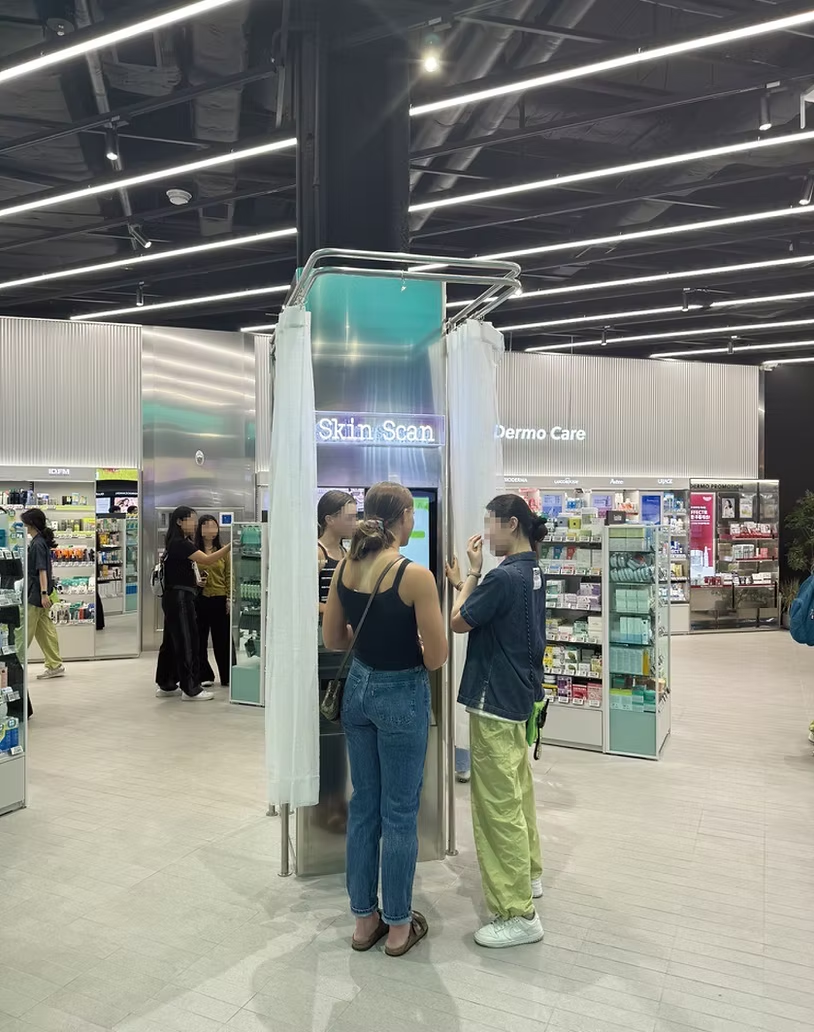
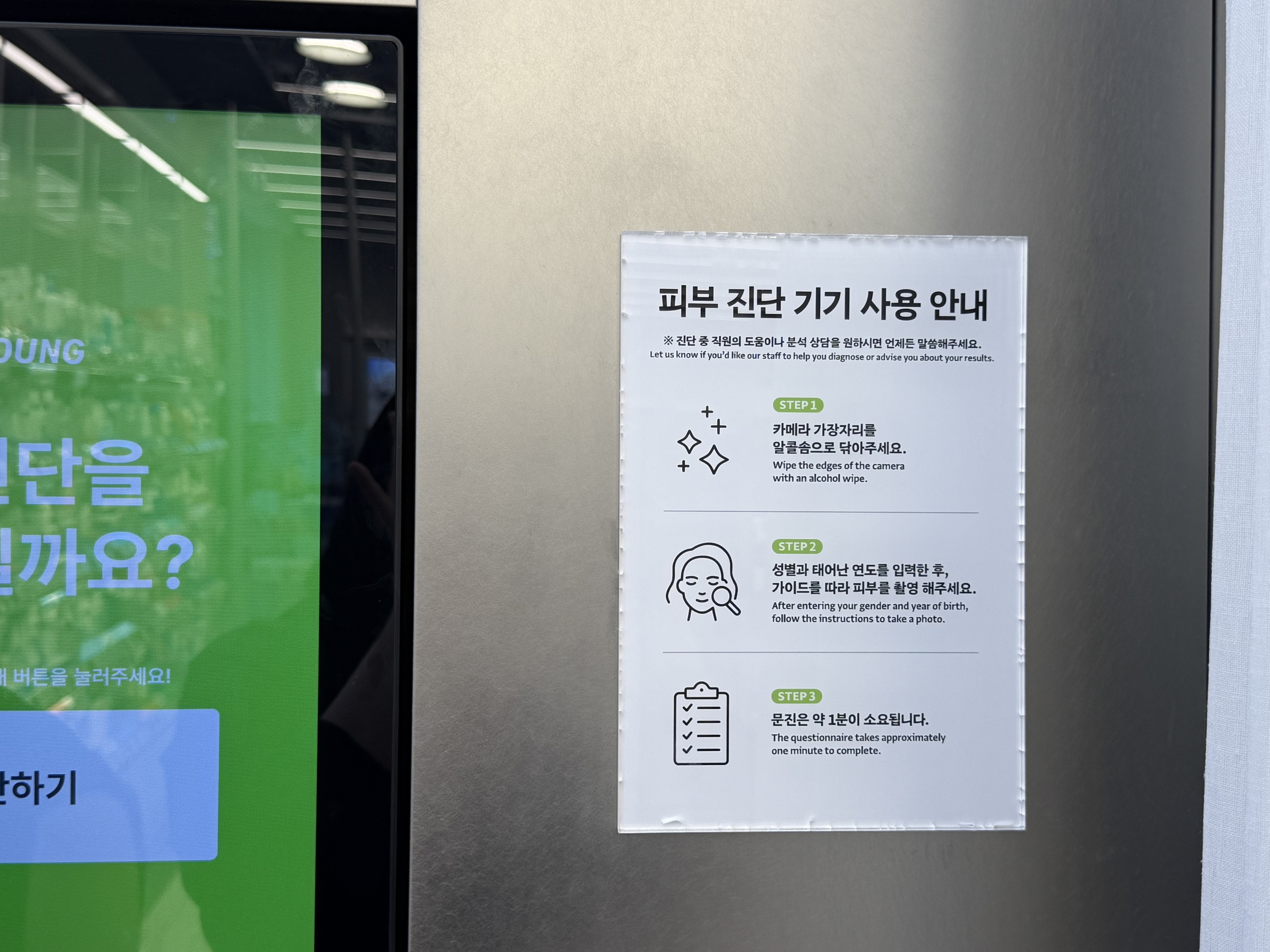
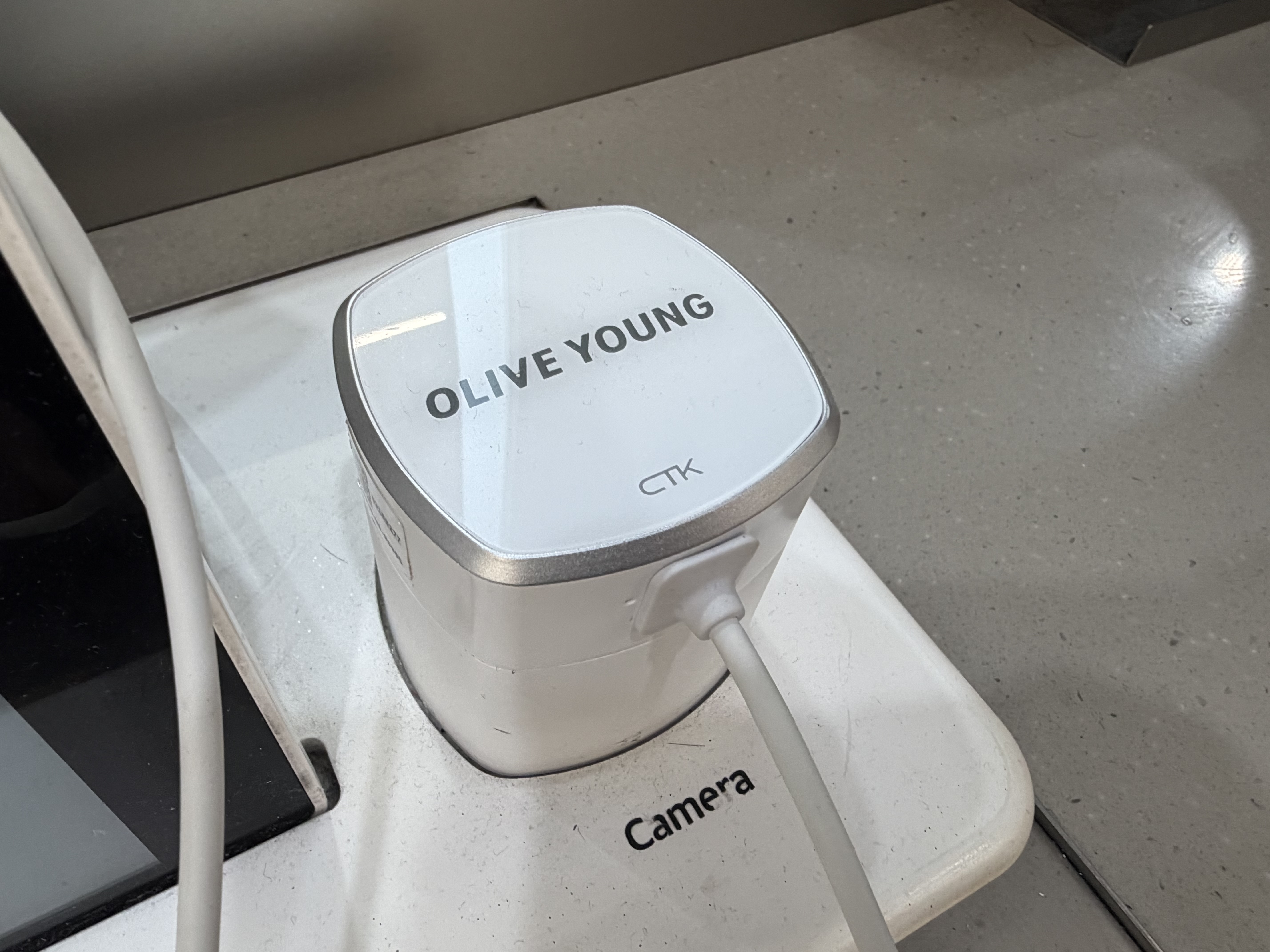
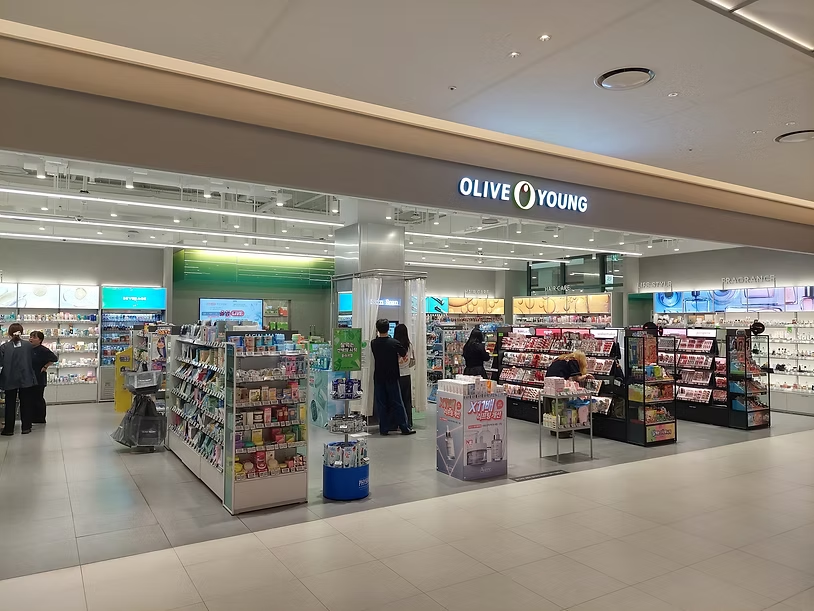
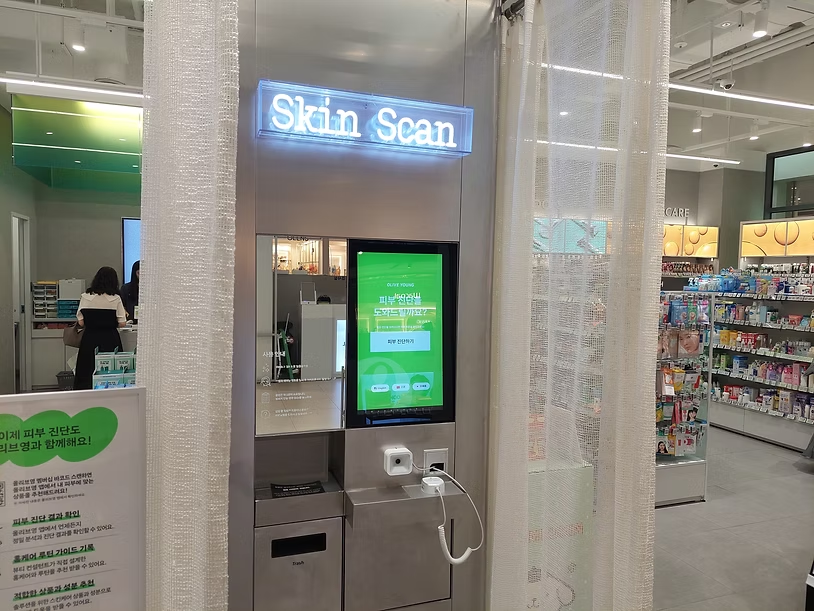
A strong in-store skin scan experience should feel simple for the customer and structured for the consultant. Measurement, AI-assisted analysis, visual reporting, consultation, recommendation, and revisit comparison should flow as one clear journey.
Why AI Matters
AI matters because it can provide consistency and interpretation support. In retail, different consultants may describe the same condition in different ways. AI skin diagnosis, AI scalp analysis, and hair analysis software help standardize categories and visualize results quickly.
AI also helps turn measurement into communication. Images, indicators, comparisons, and plain-language explanations make the consultation easier to understand. For brands, the same data can support personalized skincare recommendation, product matching, CRM segmentation, and revisit-based engagement.
Value for Beauty Brands and Retailers
H&B stores, beauty brand stores, retail popups, healthcare and pharma beauty brands, scalp care brands, hair care brands, and B2B partners can use diagnostic data to make consultation more specific and easier to repeat across locations.
For retailers, the value is not the scan alone. The larger value is a repeatable consultation model: capture data, explain it clearly, recommend products, store the result, and compare the next visit. This supports CRM, campaign planning, staff education, product education, and retail insight.
ChoiceDx Perspective
ChoiceDx by ChoiceTech Korea is an AI beauty-tech diagnostic system for professional skin, scalp, and hair analysis in offline consultation environments. It supports Skin Scan experiences, in-store consultation, B2B beauty-tech programs, product recommendation, CRM, and revisit management.
The ChoiceDx perspective is practical and careful. Measurement should help consultants explain visible beauty conditions with clarity, without overstating medical or clinical claims.
FAQ
What is AI skin diagnosis?
AI skin diagnosis is a beauty-tech consultation process that uses image-based skin data and AI-assisted analysis to help explain visible skin condition and support product recommendation.
Why is accurate skin diagnosis important?
It helps reduce guesswork, gives consultants clearer evidence, supports personalized skincare recommendation, and creates records that can be compared over time.
What is the difference between a skin analyzer device and skin analysis software?
A skin analyzer device captures images or measurement data, while skin analysis software organizes that data into reports, interpretation, consultation cues, and recommendation workflows.
How does scalp analysis support hair care consultation?
Scalp analysis helps visualize scalp-related beauty concerns such as oiliness, dryness, flakes, and sensitivity signals, giving consultants a clearer basis for scalp and hair care guidance.
Can skin diagnosis support product recommendation?
Yes. When used carefully, analysis data can help match customer concerns with suitable skincare, scalp care, or hair care products available in the retail environment.
Is this a medical diagnosis?
No. ChoiceDx guidebook content describes beauty consultation support and product recommendation. It is not a medical diagnosis, treatment, or cure.
Where can a professional skin analyzer be used?
It can be used in beauty brand stores, H&B retail, popups, consultation counters, scalp care spaces, training centers, and B2B beauty-tech programs.
How does revisit comparison help customer experience?
Revisit comparison helps customers see changes over time, understand routine progress, and receive more relevant follow-up recommendations.